Somerset residents back council tax rise to save services
By Laura Linham 30th Jan 2026
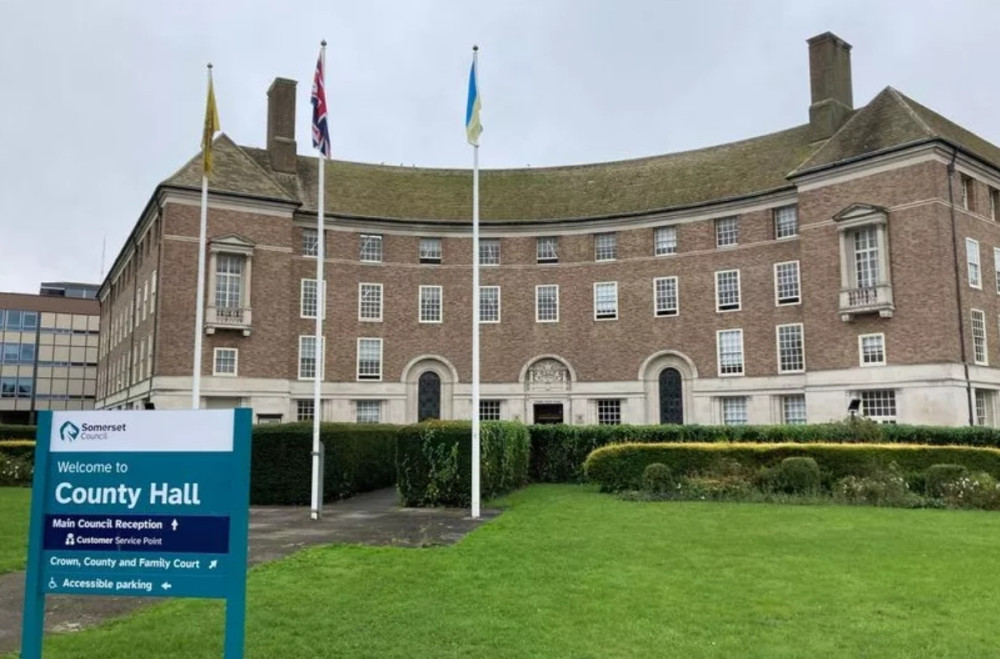

Nearly two-thirds of Somerset residents are happy to pay more council tax, according to Somerset Council's own budget survey.
The council will set its annual budget on February 25, which is expected to include a significant increase in council tax bills as it attempts to plug a £41m budget gap (reduced from £73m), driven by rising demand for local services.
The council ran a public consultation on its budget proposals over December 2025, asking residents to identify which services should be prioritised and how much additional council tax they would be willing to pay to achieve this.
The results of this survey (which attracted more than 1,400 responses) reveal that a slim majority of residents are happy to pay more to prevent further cuts to public services, and the vast majority want lobbying to central government for additional funding to continue.
However, a declining amount want the council to have more control over how it spends its budget, in light of "perceived wasteful spending" on consultants and regeneration projects.
The results of the budget consultation were published before the council's corporate and resources scrutiny committee met to debate the outline budget proposals in Taunton on Wednesday morning (January 28).
A total of 62 per cent of respondents said they would support a council tax rise – with 27 per cent favouring an increase of under 4.99 per cent (the highest increase normally allowed without triggering a referendum), 21 per cent favouring an increase of 4.99 per cent, and 15 per cent supporting a
larger.
Download our Nub News App!
- It’s FREE and available now- Breaking news notifications
- Your Town in Your Pocket


Around 36 per cent of residents said council tax bills should not rise at all, and the remaining two per cent called for bills to be reduced.
Only 42 per cent of respondents said they supported increasing council tax to bring Somerset Council in line with its unitary counterparts in the south west (such as Cornwall, Dorset and Wiltshire) – down from 53 per cent last year.
However, a majority of respondents said that the council should primarily balance its budget by selling property and cutting non-statutory services, rather than increasing council tax bills – with more than half (54 per cent) supporting an increase in fees and charges.
A sizeable proportion (86 per cent) of respondents supported the council lobbying central government for both additional funding and local government reform (which could include a replacement for council tax or changes to business rate retention).
However, only 38 per cent of residents said councils should have "more power to set council tax locally" – down from 49 per cent last year.
When asked which services should be prioritised, 55 per cent of respondents stated the condition of roads and pavements, followed by crime (29 per cent), public transport and schools (28 per cent each).
83 per cent of respondents said that no future savings should come from road maintenance, with a further 68 per cent demanding new future services from the waste services budget (which includes both kerbside collections and the operation of household waste recycling centres).
By contrast, 55 per cent of those surveyed said savings should be found within the planning department and 47 per cent suggest cutting funding for economic development and business support.

In the final part of the survey, respondents had the opportunity to add additional comments, which were summarised by officers ahead of the committee meeting.
A spokesperson said: "Many comments focused on concerns about inefficiency and waste – particularly spending on consultants, agency staff, senior salaries, and projects seen as unnecessary.
"Some of those commenting want the council to demonstrate internal savings first, especially in management structures, office costs, procurement, and contract oversight.
"There were comments suggesting trust in the council's financial decision-making is currently low, and respondents want greater transparency.
"At the same time, people strongly value key council services – notably roads, public transport, waste services, and essential social care. They want these protected but also want clearer explanations for the rising cost of adult and children's services.
"Overall, many of those commenting understand the financial pressures but expect the council to make visible, meaningful efficiency improvements before seeking higher contributions from households.
"Several ideas to raise income or reduce spend were put forward, ranging from reducing spend on consultants to increasing enforcement fines (littering, dog fouling, fly-tipping etc.).
"All these will be shared with the council's executive and services so they can be considered."

The finalised budget proposals will come before the council's executive committee in Taunton on February 11, with the full council meeting in Bridgwater on February 25 to approve the proposals.
Download our Nub News App:
- It’s FREE and available now
- Breaking news notifications
- Your Town in Your Pocket

Share: