Somerset: Ketamine arrests jump as supply cases surge
By Laura Linham 5th Apr 2026
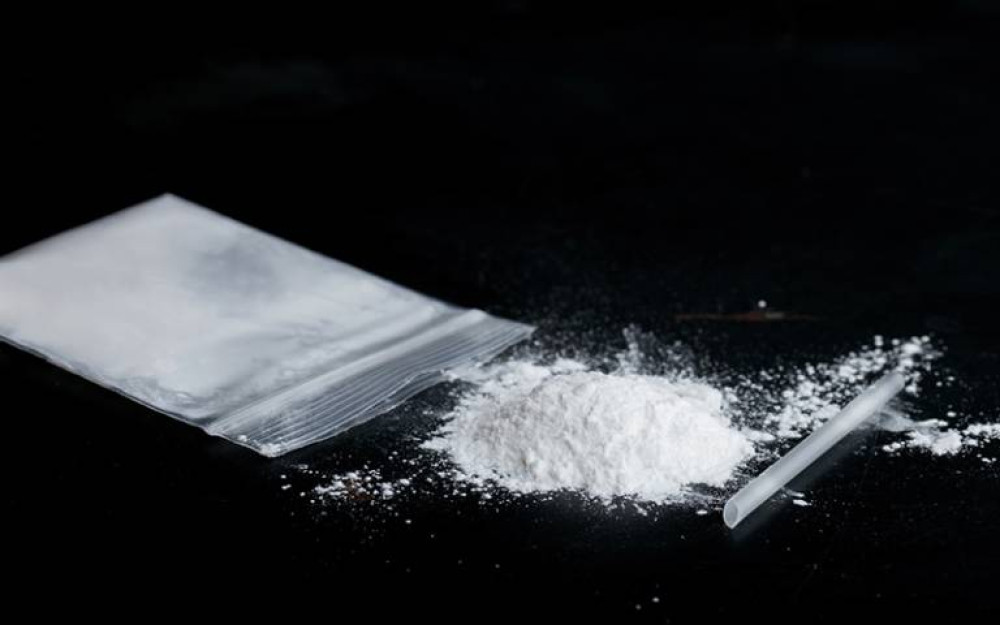

Ketamine is showing up in Avon and Somerset police data in numbers that are getting harder to ignore.
New figures from Avon and Somerset Police show 428 ketamine-related arrests were made between 2021 and 2025 across the force area, which includes Wells, Shepton Mallet and Glastonbury. But the real warning sign is not simply that arrests rose. It is that some of the sharpest growth came in cases linked to suspected supply.
That gives the figures far more weight than a standard possession story. It suggests ketamine is not only being used more visibly, but also moving more visibly through the local drugs picture — at the same time as national advisers warn the drug's harms have continued to grow, particularly among younger people.
The rise is clear year by year
The year-by-year trend is stark.
In 2021, Avon and Somerset Police recorded 56 ketamine-related arrests. That jumped to 85 in 2022. It then rose again to 93 in 2023 and 99 in 2024, before slipping only slightly to 95 in 2025.
So even with the final-year dip, the force was still recording 39 more ketamine-related arrests in 2025 than it had in 2021 — an increase of almost 70 per cent.
That matters because it shows this was not a one-off spike. Ketamine stayed high in police arrest data for four years running after 2021, suggesting it became a more regular part of the force's workload rather than a passing blip.
Possession still dominates — but that is only half the story
Simple possession remained the biggest single category.
Download our Nub News App!
- It’s FREE and available now- Breaking news notifications
- Your Town in Your Pocket


Across the five years, police recorded 270 possession arrests when attempt offences are included. The yearly breakdown was 40 in 2021, 52 in 2022, 56 in 2023, 64 in 2024 and 52 in 2025.
Those are big enough numbers on their own. They show ketamine turning up again and again in frontline policing. But possession only tells the surface story.
Supply is where the deeper concern sits
The more revealing shift is in cases linked to alleged dealing.
Arrests for possession with intent to supply rose from eight in 2021 to 20 in 2022. They climbed again to 24 in 2023 and 26 in 2024, before easing slightly to 23 in 2025. Across the five years, that category alone accounted for 101 arrests.
There were also 57 arrests for supplying or offering to supply ketamine. Those cases were uneven at first, but the longer trend was still up: seven in 2021, 12 in 2022, seven in 2023, 18 in 2024 and 20 in 2025.
That is the part of the data that changes the shape of the story.
If the figures were only rising on possession, the picture could be read as more low-level arrests. But the steady growth in intent-to-supply cases points to something more serious: ketamine appearing more often in cases where police believed it was being moved on, sold or circulated.
Not just a teenage trend
The figures also cut against the idea that ketamine is only a youth problem.

Under-18 arrests stayed low, with four recorded in 2021, four in 2022, seven in 2023, five in 2024 and four in 2025 across all ketamine-related offences listed in the response. Adults accounted for the overwhelming majority of arrests in every year and across every offence type.
That matters because it suggests a broader market than the stereotype of a niche teenage or student drug.
Why ketamine now worries health officials
The arrest data lands in a national climate where ketamine has become much harder for health services to brush aside.
The Office for National Statistics says 0.8 per cent of people aged 16 to 59 in England and Wales reported using ketamine in the year ending March 2025, up from 0.5 per cent in the year ending March 2015. Among 16 to 24-year-olds, the figure was 2.0 per cent in the year ending March 2025.
The ACMD's January 2026 review said illicit ketamine use in the UK has "continued to increase, particularly amongst young people", despite the drug's reclassification to Class B in 2014. The same review said there had been a "substantial increase" in ketamine use over the last decade, alongside increasing regular high-dose use, dependence and health harms.
Treatment figures point in the same direction. The government said 5,365 adults started treatment for ketamine problems in 2024/25, more than 12 times the number recorded in 2014/15. Among children in treatment, 1,465 reported problems with ketamine in 2024/25, up from 512 in 2021/22.
Drug support charity WithYou has also warned that "ketamine use among young people has been rising, with many unaware of the severe health risks it carries".
The "party drug" label misses the real risk
Part of the concern is that ketamine can still carry the image of a lesser-risk club drug. But official warnings are much darker than that.

FRANK says ketamine can leave users dream-like and detached, alter their perception of time and space, and stop them feeling pain properly — putting them at risk of injuring themselves without realising it. It also warns of added danger when ketamine is mixed with alcohol or other depressant drugs.
The ACMD review goes further, linking repeated and heavy use to dependence and serious urinary tract harm. That is one reason ketamine has become a bigger issue not just for police, but for doctors and treatment services too.
Why might more people be turning to it?
The police FOI cannot answer that directly. It gives arrest totals, not motives.
But the national picture suggests ketamine has become more established in some nightlife and younger adult settings while awareness of its long-term harms has not always kept pace. The ACMD said there is a lack of knowledge about ketamine and its harms among people who might use it, their families and even some professionals, and urged prevention work aimed at groups including clubbers, festival-goers, university students and younger people.
That has a clear implication. If a drug becomes more socially familiar while still being misunderstood, it can spread faster than the warnings around it.
And that is why the rise in supply-linked arrests matters so much. It hints not just at more people allegedly taking ketamine, but at a stronger pipeline feeding it.
What these figures really suggest
On one level, the story is simple: arrests rose, possession remained the biggest category, and adults made up most of those held.
On another, it points to something bigger.
Ketamine is no longer appearing in the data as just a possession drug. The rise in intent-to-supply and other supply-linked arrests suggests it is becoming a more visible part of the local drugs market too.
The figures do not show how many arrests happened in Wells, Shepton Mallet or Glastonbury themselves. They do not show how many led to charge, and they cannot tell us whether the rise reflects more offending, more enforcement, or both.
But taken together with the national picture — rising use, rising treatment demand and growing alarm over long-term harm — they suggest ketamine is becoming a bigger part of the policing and public health picture than its old "fringe party drug" image ever implied.
More local stories
- Wells Carnival seeks sponsors from local businesses
- Shepton police probe after cafe fire
- Glastonbury area dig uncovers 6,000-year-old trackway
Subscribe to the free Wells Nub News newsletter Get the biggest Wells stories straight to your inbox.
Download our Nub News App:
- It’s FREE and available now
- Breaking news notifications
- Your Town in Your Pocket

Share: