
Glastonbury and Street sites caught in £91m council sell-off
By Laura Linham 2nd Jul 2026
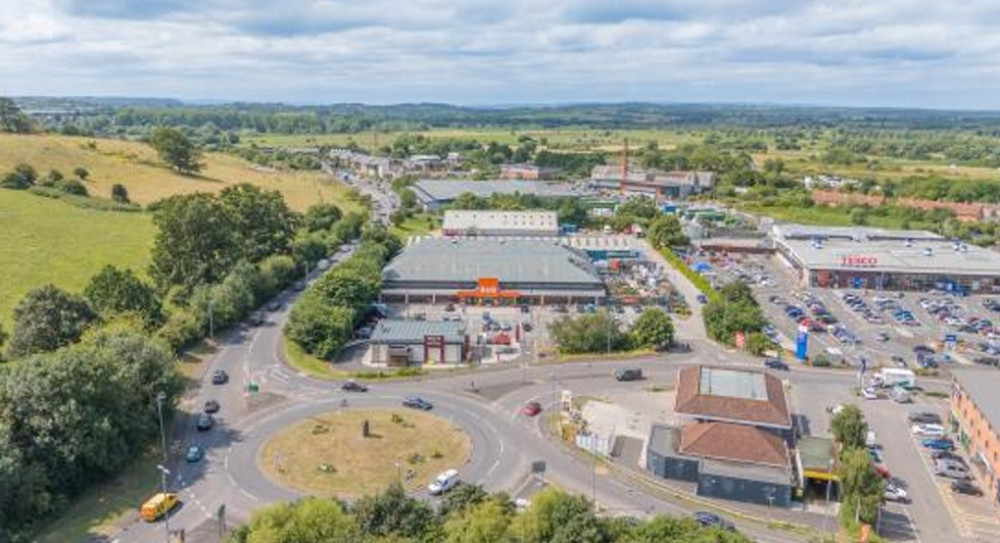

Glastonbury B&Q has delivered Somerset Council its biggest profit so far from the sale of commercial investments, despite the authority losing more than £91m overall on its property portfolio.
The council has been selling off commercial assets inherited from Somerset's former district councils, including B&Q and Costa Coffee in Glastonbury and Street Retail Park. Street Business Park was also among the wider investment portfolio.
The Glastonbury B&Q sale was one of the few bright spots in a much bleaker set of figures. Of the 28 commercial investment sales completed so far, only six made a profit when measured against the original purchase price, with the largest gain being just under £1.5m from the sale of B&Q in Glastonbury.
Costa Coffee in Glastonbury and Street Retail Park have also been sold as part of the council's asset disposal programme. The full portfolio included retail units, industrial sites and business parks across Somerset and much further afield.
Somerset Council inherited the properties when the former Mendip, Sedgemoor, Somerset West and Taunton, and South Somerset district councils were abolished in April 2023. By that point, the former councils had invested £310,226,000, including fees and stamp duty, in 48 commercial properties.
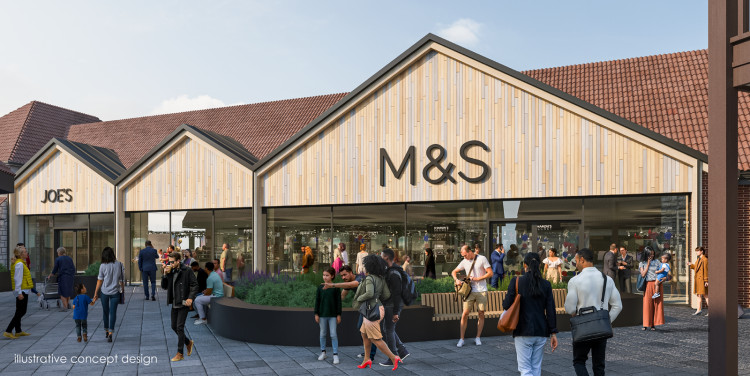
Only around a quarter of those properties were actually in Somerset. Alongside the Glastonbury and Street sites, the investments included Marks & Spencer in Yeovil, part of Commerce Park in Frome, retail parks, industrial estates and business premises in places including Bristol, Gloucester, Birmingham, Cardiff, Glasgow and North Shields.
The investments were originally made using borrowing from the Public Works Loans Board. The aim was to generate rental income after years of reductions in central government funding to local authorities.
Somerset Council has now sold 28 of the 48 investments, raising more than £125m. That is around £8.6m, or seven per cent, above the assets' original valuation.
Download our Nub News App!
- It’s FREE and available now- Breaking news notifications
- Your Town in Your Pocket


But when the original borrowing, purchase costs and changes in property values are taken into account, the council has recorded major losses. A report to the council's audit committee valued the investments at £222,411,000 as of March 2024, a drop of £78,815,000.
By the time the 2024/25 accounts were signed off, a further £17,512,000 loss had been recorded. The council made a £4,715,000 profit on sales during the 2025/26 financial year, but a later valuation of remaining assets added another £241,000 loss.
That leaves the total loss to date at £91,853,000.
The picture changes when rental income is included. Somerset Council said the properties were bought to generate income, so rental returns should be counted when judging how the investments performed.
A council spokesperson said: "The properties were invested in to generate an income, so the return on initial investment should be taken into account.
"The sale returns plus rental income of these sales total a positive return of £17.19m."
Without rental income, the biggest loss on an individual sale was the Steelite factory in Stoke-on-Trent. It was sold for £14.4m after being bought for £21m, a loss of £6.6m.
With rental income included, only seven of the 28 investments sold so far made a net loss. On that basis, the most profitable investment was North Shields Retail Park near Newcastle-upon-Tyne, which generated a net profit of nearly £4.4m.

The government has allowed Somerset Council to use proceeds from asset sales to fund front-line services, which councils are not normally allowed to do. That permission is currently due to end after April 2027, unless ministers grant a further capitalisation direction.
Any commercial assets sold after that date cannot be used directly to fund services unless the government extends the arrangement. The council must also repay the borrowing used to buy the properties, one reason its overall debt remains above £1bn.
A further five commercial assets are currently under offer, with a combined guide price of more than £24m. Somerset Council says it has chosen to sell steadily rather than flood the market, to avoid reputational damage and reduce the risk of buyers trying to secure assets below asking price.
Original reporting: LDRS/Daniel Mumby
More local stories
- Street police patrols target Greenbank parking
- Somerset leisure staff praised for keeping centres open
Subscribe to the free Glastonbury Nub News newsletter Get the biggest Glastonbury stories straight to your inbox.
Download our Nub News App:
- It’s FREE and available now
- Breaking news notifications
- Your Town in Your Pocket

Share: