Somerset officially declared in drought
By Laura Linham 29th Jul 2026
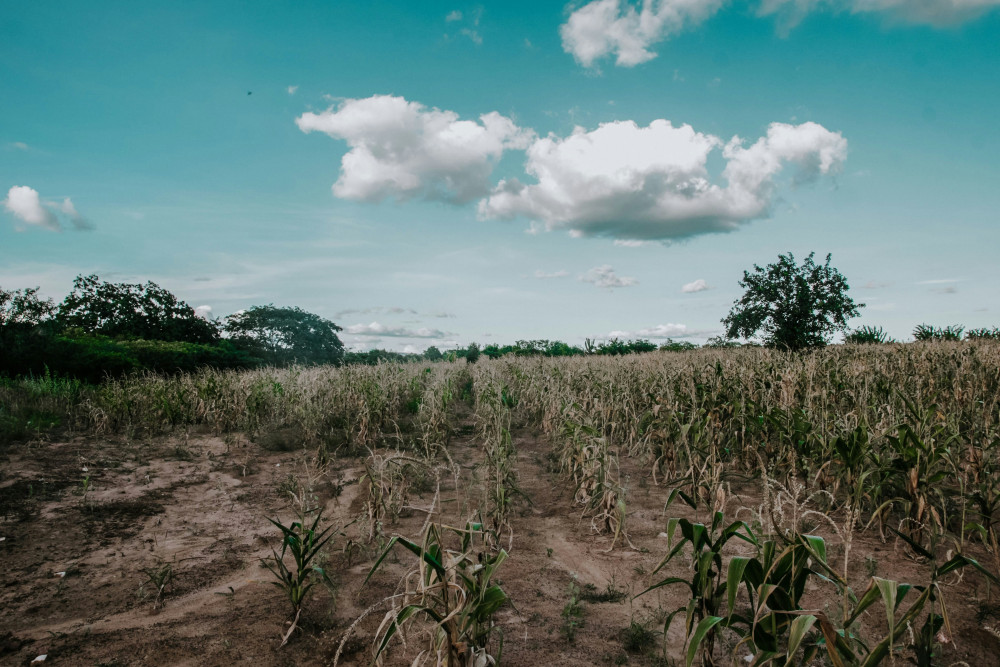

Somerset has officially been declared in drought following weeks of high temperatures and exceptionally low rainfall.
The Environment Agency has moved its Wessex area, covering Somerset, Dorset, Wiltshire and South Gloucestershire, into drought status.
It is one of seven areas of England now classed as being in drought. East Anglia, London, the Thames Valley, Hampshire and the Isle of Wight, Devon and Cornwall, and the West Midlands have also been included.
The drought declaration does not automatically introduce restrictions for households in Wells or elsewhere in Somerset. Any temporary use ban, commonly known as a hosepipe ban, would be introduced separately by the relevant water company.
However, the Environment Agency said rivers are running low, reservoir storage is falling and farmers are facing pressure on crops and water supplies.
July has so far brought only 7% of the rainfall normally expected across England. In southern England, that figure falls to just 1%.
The rapid change has been described as a "flash drought", caused by very low rainfall combined with sustained high temperatures.
England began the year with high groundwater and reservoir levels following a wet winter. A dry spring and repeated summer heatwaves have since depleted those reserves.
Download our Nub News App!
- It’s FREE and available now- Breaking news notifications
- Your Town in Your Pocket


Reservoir storage across England has fallen to 75.3%, around 7.4% below the long-term average for this point in the year. Blagdon Reservoir, operated by Bristol Water, is among those classed as exceptionally low.
Around 78% of England's rivers are now below normal levels or lower, while one in six is classed as exceptionally low for the time of year.
Helen Wakeham, director of water at the Environment Agency and chair of the National Drought Group, said: "The hot and dry weather means we are currently using water faster than nature can replenish it.
"A second consecutive summer drought is an exceptionally serious situation and one that will have long-lasting impacts on our environment, wildlife, and the economy.
"We want everyone to stay safe and hydrated during the hot weather but every drop we can save is a drop more for nature and agriculture."
The dry conditions are affecting farms, with some cereal crops being harvested early and reduced yields reported elsewhere. Demand for irrigation remains high, while farm storage reservoirs are falling rapidly.
Low river levels have led to more than 1,500 restrictions being placed on water abstraction licences. The Environment Agency has also carried out 38 fish rescues from waterways affected by low flows and reduced oxygen levels.
Hot and dry ground has increased the threat of fires, with 110 wildfires recorded on Sites of Special Scientific Interest this year.

Water Minister Emma Hardy said: "Our climate is changing, droughts are becoming increasingly common, and we need to be prepared for this new normal.
"We're delivering long-term change in the water industry and driving record investments in infrastructure, including nine new reservoirs.
"We expect water companies to follow their drought plans, to go further and faster to reduce leaks, and to ensure supplies are not disrupted even in the driest of weather."
Seven water companies have introduced temporary use bans affecting around 23 million customers nationally. People should check directly with their water supplier to find out whether any restrictions apply to their property.
The Environment Agency is asking households to reduce unnecessary water use by taking shorter showers, turning off taps while brushing their teeth, filling washing machines before running them and repairing leaking toilets.
Members of the public can report fish in distress to the Environment Agency's incident hotline on 0800 80 70 60.
More local stories
Subscribe to the free Wells Nub News newsletter to receive the biggest local stories straight to your inbox.
Download our Nub News App:
- It’s FREE and available now
- Breaking news notifications
- Your Town in Your Pocket

Share: